When you want to transform your dropshipping store into a real e-commerce brand, there is one step you cannot avoid: putting your logo on your product.
This is the moment when you stop reselling the same item as everyone else and start selling something that truly belongs to you.
It may seem complicated when you don't know where to start. In this article, I will explain the two possible methods, what it costs, and especially when you can get started.
Why put your logo on your product
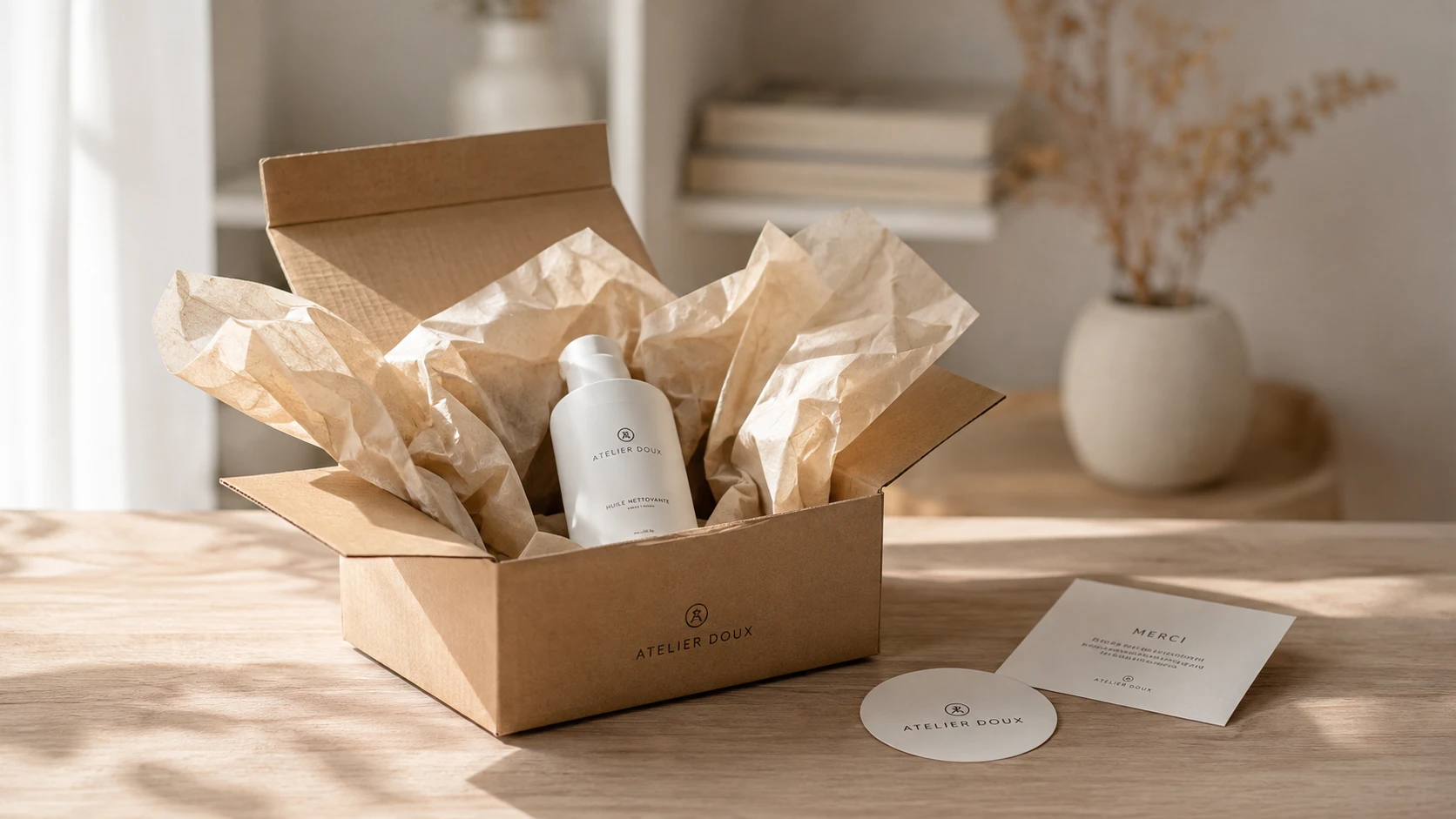
The reason is quite simple: it enhances your brand image at the most important moment, when the customer receives their package.
A bare product coming out of a box is a forgettable product. A product with your logo on it is a brand that enters their home.
You protect your content
There is a second advantage, often underestimated. When you produce your visuals, both photos and videos, your logo appears directly on the product.
The result: your competitors can no longer steal your content and reuse it as is on their store. They would have to edit each image, which most will never do.
You differentiate yourself from the competition
On a classic dropshipping product, everyone sells exactly the same item, with the same supplier photos. The only area of differentiation is price.
With your logo, your product becomes unique and personalized. You start with a slight advantage over others, and that slight advantage quickly turns into a real lead.
Method 1: negotiate with your supplier
This is the simplest method to start, and the one I recommend if you are still in dropshipping.
When I talk about a supplier, it can be your direct supplier, your agent, or even a contact obtained through a platform like CJ Dropshipping. There is always a way to discuss with someone.
What you need to understand is that your supplier is in contact with factories in China. They will negotiate the customization at the time of production.
The subject of MOQs
Negotiation means money. To put your logo on your product, the factory must specifically produce your version of the product. This involves a minimum order quantity, known as MOQ, for minimum order quantity.
Generally, we are looking at 500 to 1000 units. Sometimes less, sometimes more. It depends on the factory and the product, but you need to factor it into your calculations from the start.
Your agent will take their commission, and the factory will not launch a special production for ten items. It makes sense from their perspective.
In practical terms, this means two things: you need enough cash flow, and you need to be certain of selling these products. Never order 1000 units of a product that you have not yet validated.
The good news is that prices are often tiered. Ordering in larger quantities does not necessarily cost you much more per unit.
Prepare your logo file
Once the agreement is reached, the technical part is simple. You prepare your logo in the requested format and send it to your supplier, who will forward it to the factory.
The point of caution is the colors. A logo that looks good on your screen may not look the same once printed on a physical product.
This is exactly the same problem as in printing. When you print flyers, the colors on your computer never come out identical on paper.
Normally, the factory will provide you with all the necessary specifications to avoid this kind of unpleasant surprise. Follow them to the letter rather than sending your file as is.
Method 2: contact the factory directly
This method is a step up. It is for you if you are starting to develop your own product rather than reselling an existing item.
The idea is no longer to go through an agent or an AliExpress supplier, but to contact the factory that manufactures the product directly.
How to find these factories
It is more accessible than one might think. You type the name of your product followed by "white label" or "private label," and you will find factories that work directly with brands.
For most dropshipping products, these will be Chinese factories. You then compare prices, minimum orders, and customization options.
What this changes for you
Again, there will be a minimum order and therefore an investment. But you gain a lot of maneuverability.
You can push customization much further, and above all, you can request better production quality. This is a point that many ignore.
Factories in China are set up to produce at a certain level of quality. If you don't ask for anything more, or if your agent doesn't do it for you, you will receive the standard. No one will spontaneously raise the quality.
The logistical trade-off
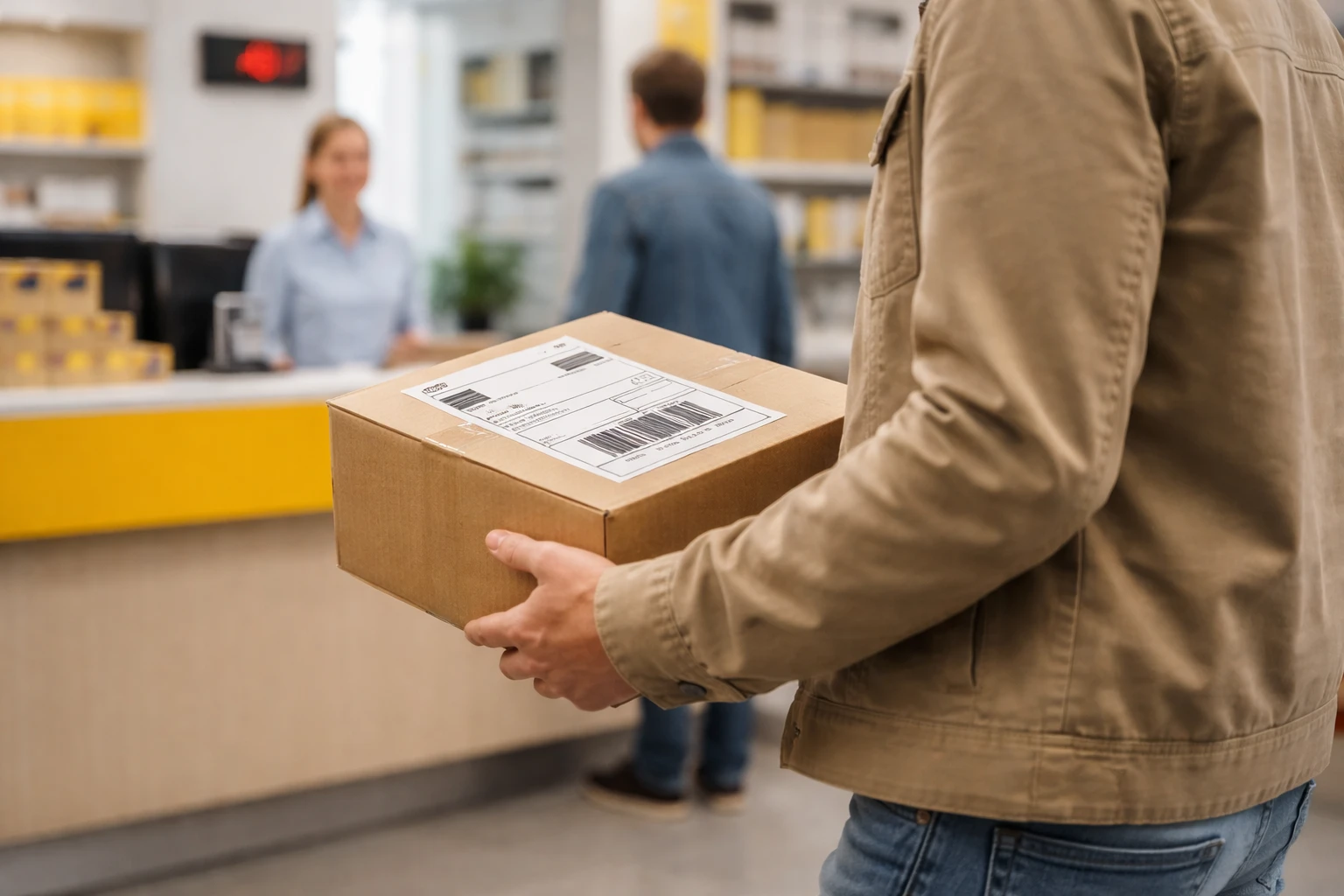
The downside is delivery. The factory sends the stock directly to your home, or to a logistics warehouse if you go through a provider, which costs more.
This is no longer really dropshipping. It is e-commerce with stock, with everything that implies in terms of organization.
A few years ago, we had a white label brand operating like this. We sent our specifications, logos, and visuals to the factory, which produced and delivered the stock directly to us.
We then shipped from our home. This is a much more professional form of e-commerce: customer satisfaction increases and delivery times decrease significantly.
This is a step up, to be considered when you are really sure of your sales and have a clear vision of the brand you want to build. But it is a great adventure.
When to get started
There is no universal rule, but there are useful orders of magnitude.
The basic condition is to have a brand that is running. At the beginning in dropshipping, you test many products to see which one works. As long as you are in this phase, the question does not arise.
The target threshold
Once you have identified the product that generates sales, I would say you should be able to easily reach over €30,000 per month. We are talking about more than €1,000 per day.
This is a relatively achievable goal when you have a product that works and you start to scale with advertising.
Be careful, this €30,000 is revenue, not profit. It all depends on your margins. But you need this level of comfort to invest calmly in this type of improvement.
Stability above all
Don't launch as soon as you have one successful month. If you make €30,000 in January and then your ad account gets blocked and you drop to €10,000, ordering 1,000 units becomes a problem.
Aim for at least three months of stability before committing to this type of investment. This obviously depends on your project, but keep this order of idea in mind.
Brand your brand before your product
One last important point. The logo on the product is not the first brick of your brand image; it is one of the last.
Before getting there, you can already work on many things. Improve your visuals with AI, refine your ads, collect as many customer reviews as possible.
You can also have a truly optimized store with a theme like Story Theme, which allows you to customize your design and strengthen your brand image without touching the product.
All these elements build your credibility long before a logo appears on your item.
In summary
Wait until you have a stable and validated product that is already bringing you money over several months.
Then, discuss with your supplier or agent for a simple customization. Or search for the name of your product followed by "white label" to work directly with a factory.
Compare prices, minimum orders, and customization options, then get started when your cash flow allows it. This is how a store becomes a brand.